

Why colostrum matters
Unlike regular milk, colostrum is rich in antibodies, protein, vitamins, and minerals, helping calves fend off early infections and grow robustly. Ideally, we recommend the calf to drink at least 4L of good quality colostrum within 2 hours after birth and 6L within 24 hours after birth. Studies have shown that this early nutritional boost not only improves survival rates and growth, but also leads to increased milk production when the calf starts producing milk later in life
Meeting colostrum quality standards
Good quality colostrum contains a level of 22% or higher Brix indicating enough immunoglobulins (especially IgG) to benefit the calf’s health. From our study we learned that nearly 40% of the cows did not reach the required IgG level (Figure 1). Maintaining an adequate supply of high-quality colostrum is challenging on many dairy farms.
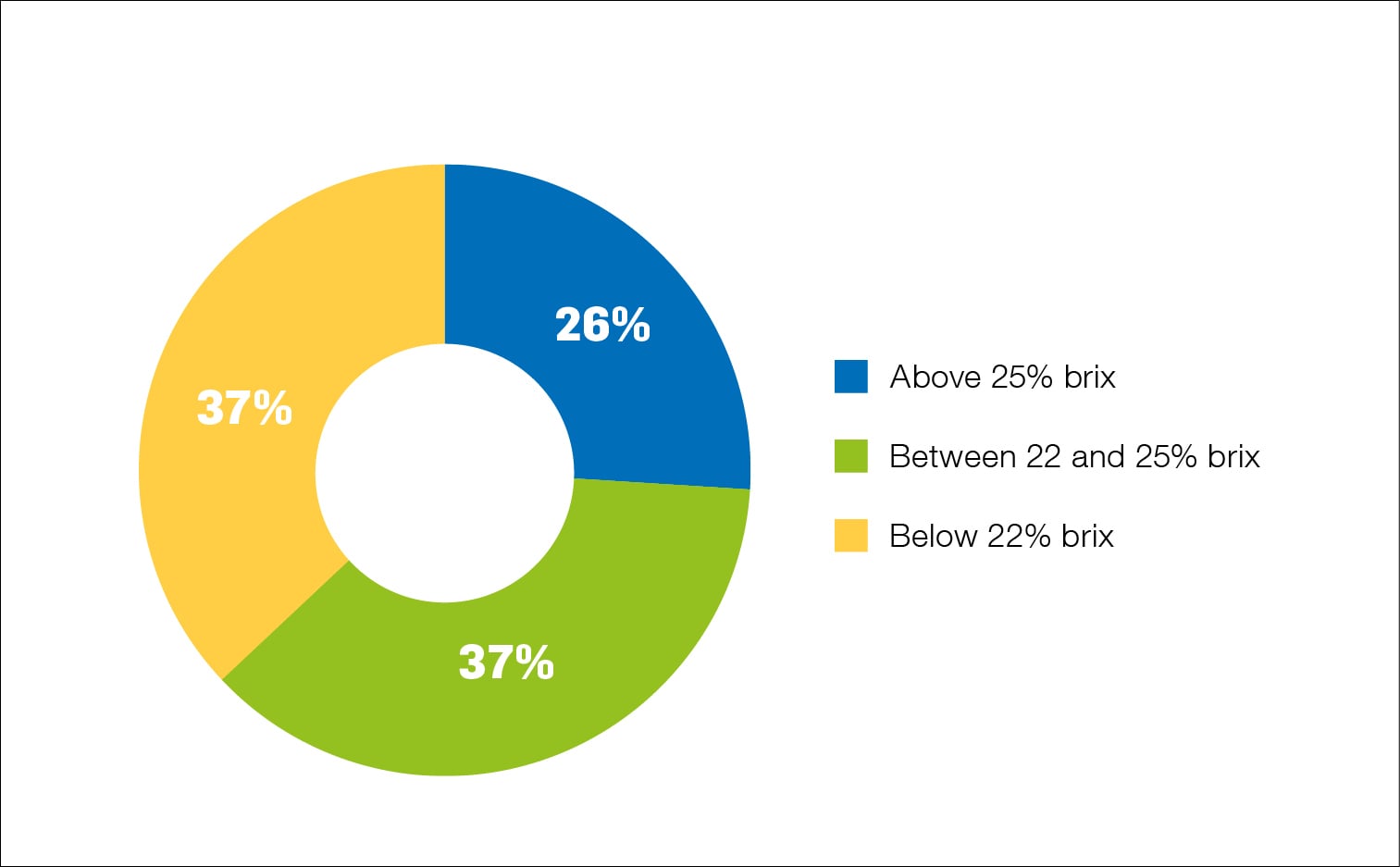
Figure 1. Outcomes colostrum quality dry cow monitoring study (2019-2021)
Therefore, we investigated which factors influence quality and yield of colostrum:
- Environment: Seasonal changes and heat stress can affect both the yield and quality of colostrum produced. Heat stress may reduce dry matter intake and hinder optimal colostrum formation.
- Management: Our research confirmed earlier findings regarding the timing of the first milking after calving, emphasizing the importance of timely colostrum collection. The length of the dry period, vaccination, and feeding strategies before calving are equally important in ensuring high-quality colostrum.
- Cow Factors: The breed, parity, and body condition score (BCS) of the cow all play significant roles. Over-conditioned cows, those entering the dry period with excessive body fat, tend to have higher NEFA (non-esterified fatty acid) and BHBA (beta-hydroxy butyric acid) levels. This often results in higher colostrum yield, but of reduced quality.
- Nutrition: Optimal energy, protein, mineral, and vitamin intake during the dry period are essential for improved colostrum composition. Due to limited placental transfer, certain mineral and vitamin concentrations in colostrum are an important source for the newborn calf. Supplementing vitamin A, D and E and organic selenium during the dry period has shown to increase levels of these components in colostrum, improving the health status of the calf.
The role of transition management
By following our nutrition and management approaches for transition cows (Prelacto) you prepare cows best for calving by optimizing the nutrition management of the transition phase. Maintaining a balanced energy status, especially during the dry period, is crucial in preventing negative energy balance (NEB), which can compromise both colostrum quality and yield as shown in Figure 2 as well as overall cow and calf health.
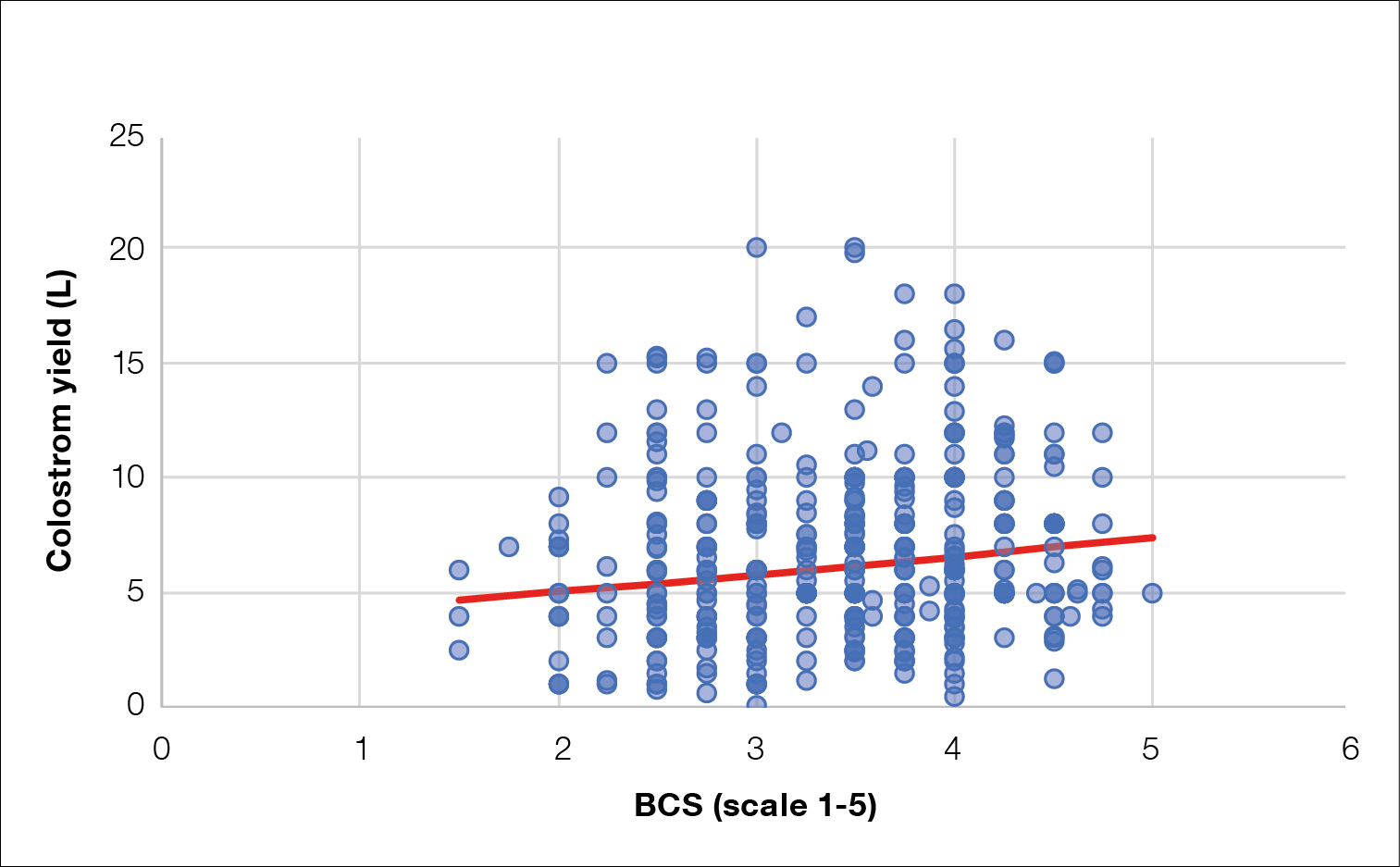
Figure 2. Association between pre-calving BCS and colostrum yield (Data from 277 cows on 25 farms in the Netherlands)
Conclusion
Effective colostrum management means collecting colostrum as soon as possible after birth, feeding it to calves promptly, and paying close attention to management, cow health, nutrition, and environmental conditions. Since colostrum quality and yield have proven to be highly variable, it is recommended to have ample stock of good quality colostrum.
By prioritizing these steps, dairy farmers can ensure to have enough high-quality colostrum for their calves to make the best possible start, leading to healthier herds and improved productivity for years to come.


