
Fatty Liver Syndrome in Laying Hens: Practical Solutions for Poultry Farmers in Kenya
18 January 2025
-
3 minutes
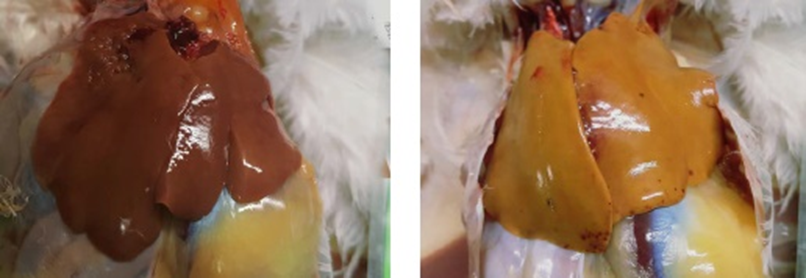
Fatty Liver Syndrome (FLS) is a common problem in laying hens caused by fat buildup in the liver. It often happens in high-producing birds fed energy-rich diets and kept in intensive systems. In Kenya, it can lead to sudden deaths, lower egg production, and economic losses. Early prevention is key to keeping flocks healthy and productive.

What is fatty liver?
- It happens in laying hens (egg-producing chickens)
- The liver becomes fatty instead of healthy
- It can lead to:
- More hens dying or dropping out of production
- Fewer eggs to sell
- Higher feed use for each egg produced
Laying hens have a higher risk of fatty liver than meat chickens.
Why monitoring is important
- Farmers must regularly check their laying hens
- Early action helps prevent bigger problems
Support products for the liver
There are two types of support mentioned:
1. Choline chloride
- Helps regulate fat in the body
- Already naturally found in small amounts in soil
- Added to feed
- Can be used for prevention
2. FLS liver stimulant
- Contains choline chloride plus:
- Vitamins
- Antioxidants
- Trace elements
- Supports liver energy metabolism more broadly
- Helps the liver recover faster than choline alone
When to use which product?
It depends on the situation:
Preventive use
- Some farmers give periodic preventive treatment
- If there are no symptoms:
- Choline chloride is enough
When there are symptoms
- If fatty liver signs are already present:
- FLS liver stimulant is more suitable
Age of the flock matters
- Young flocks:
- High economic value
- Losing eggs is more costly
- Better to support early with broader liver supplement (FLS)
- Older flocks:
- Lower remaining value
- Choice of treatment may differ
Key message
- Always monitor your flock
- Act quickly when problems start
- Early support can prevent losses


